

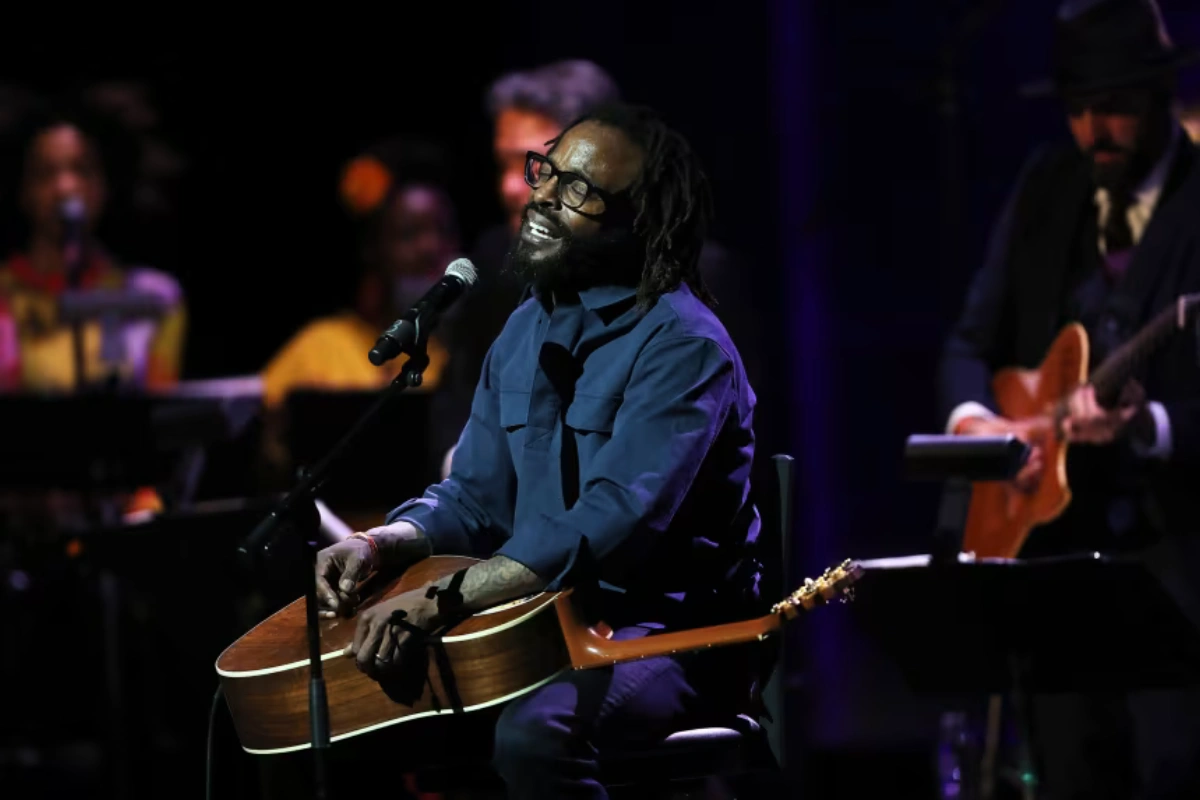
John Forté, the Grammy-nominated musician celebrated for his influential work with the Fugees and the Refugee Camp All-Stars, has been found dead at the age of 50 in his Massachusetts home. Authorities confirmed that Forté was discovered on Monday afternoon at his residence in Chilmark, a quiet town on Martha’s Vineyard, bringing an abrupt and somber end to the life of an artist whose career spanned brilliance, hardship, and redemption.
Chilmark Police Chief Sean Slavin said in a statement that there were no signs of foul play and no “readily apparent cause of death” at the scene. The circumstances surrounding Forté’s passing are now under review by the Massachusetts Office of the Chief Medical Examiner, which will determine the official cause of death. Police have indicated that the investigation is routine and that nothing currently suggests criminal involvement.
Born and raised in New York City, John Forté was widely regarded as a musical prodigy. He rose to prominence in the mid-1990s, carving out a reputation as a gifted multi-instrumentalist, songwriter, and rapper with a deep understanding of hip-hop, soul, and melodic composition. His breakthrough came in his early 20s when he became a key contributor to the Fugees’ landmark album The Score, which went on to win a Grammy and is considered one of the most important hip-hop albums of its era.
Forté also played a significant role in Wyclef Jean’s Grammy-nominated solo album The Carnival, further cementing his status as an essential creative force within the influential Refugee Camp collective. Though he often worked behind the scenes, his lyrical insight and musical range earned him widespread respect within the industry.
Beyond his collaborations, Forté pursued a solo career that reflected his eclectic taste and artistic depth. He released albums such as Poly Sci and I, John, which showcased a more introspective and experimental side of his music. His work attracted notable collaborators, including legendary singer-songwriter Carly Simon. Forté shared a particularly close friendship with Simon’s son, Ben Taylor, and their creative and personal bond remained strong over the years.
In 2000, Forté’s life took a dramatic turn when he was arrested at Newark International Airport and charged with possession of liquid cocaine and drug trafficking. He was later sentenced to 14 years in federal prison, a punishment many in the music community felt was excessively harsh. His incarceration effectively halted a career that was still unfolding and sparked widespread debate about sentencing laws and justice reform.
After serving seven years, Forté’s sentence was commuted by then-President George W. Bush. His release came after sustained advocacy from family, friends, and prominent public figures, including Carly Simon, who publicly called for clemency. Forté later spoke candidly about his time in prison, describing it as a period of deep reflection that reshaped his outlook on life and art.
Following his release, Forté returned to music and creative pursuits with renewed focus. He continued to write, produce, and collaborate, while also becoming a voice for resilience and second chances. Though he never fully returned to the mainstream spotlight, his influence remained strong among artists and fans who admired both his talent and his perseverance.
John Forté is survived by his wife, photographer Lara Fuller, and their two children. Tributes from fellow musicians and admirers have begun to pour in, remembering him as a gifted artist whose life story reflected both the heights of creative success and the weight of personal struggle.
As the music world mourns his passing, Forté is being remembered not only for his contributions to some of hip-hop’s most celebrated projects, but also for the complexity, humanity, and honesty that defined his journey.