

Scroll TikTok for five minutes and you might conclude that young women want two things: money and a fast life. Luxury hauls, “soft life” vlogs and first-class travel clips make it look that way. But what do the numbers say about Gen Z women and money? We read the latest surveys from Pew Research Center, Deloitte, the Federal Reserve, Bank of America and Fidelity. The real transformation is not a rush toward glamour. It is a generation that wants financial security, invests early and budgets in public, while being squeezed by the cost of living.

Gen Z Women and Money: What the Data Actually Shows
Money matters, but “most” depends on the question
Is it true that most Gen Z women want money? Partly. In a 2025 Pew Research Center survey of U.S. teens, 58% said having a lot of money is extremely or very important to them as adults. Boys and girls answered similarly. Only 6% said becoming famous mattered.
Among adults, the picture is cooler. In Pew’s 2023 survey on what makes a fulfilling life, 35% of adults ages 18 to 29 rated having a lot of money as extremely or very important. That beats older groups, but it is not a majority. Men and women held similar views on money. Women placed slightly more weight on enjoying their job (74% vs. 69%).
Same goals as young men, different emphasis
The NBC News Decision Desk Poll from September 2025 found that Gen Z men and women ranked the same top three markers of success: a fulfilling job, money to do what they want and financial independence. Women ranked emotional stability fourth, while men ranked it tenth. So money is central for both sexes. It is not a uniquely female obsession.
Ambition Under Pressure: Cost of Living

The fast life is expensive, and Gen Z feels it. The Deloitte 2026 Gen Z and Millennial Survey found cost of living was the top concern for the fifth straight year. According to the full report, 47% of Gen Zs live paycheck to paycheck, 51% say they cannot afford to own a house and 55% have delayed major life decisions because of money. Still, 53% expect their finances to improve within a year.
At home, the Federal Reserve’s 2025 SHED report shows 63% of adults ages 18 to 29 were doing at least okay financially, down 3 points and well below the 83% of adults 60 and older.
Side hustles and homeownership
Extra income is often about survival, not luxury. A LendingTree survey found 51% of young women and 58% of young men in Gen Z and millennial cohorts had a side hustle, with 52% of side hustlers needing the money for bills. Homeownership is creeping up slowly: Redfin puts Gen Z’s rate at 27.1% in 2025, up from 26.1%.
Investing: The Quiet Part of the Story
The most striking data point on Gen Z women and money cuts against the stereotype. Fidelity’s 2024 Women & Investing Study found 77% of Gen Z women own stock market investments, up six points from 2023. Some 38% invest outside retirement accounts, more than women overall. The same study found 72% of Gen Z women say money worries keep them up at night at least monthly. Ambition and anxiety travel together. For a look at what drive and discipline look like in practice, Motivations Masters covers mindset stories worth reading.
Dating Expectations: Responsibility Over Riches
Do Gen Z women want a rich partner? The Bank of America 2025 Better Money Habits report suggests something more grounded. Financial responsibility was important in a partner for 81% of Gen Z women and 76% of men. Earning potential showed the widest gender gap, 61% of women versus 45% of men, but it still ranked last of six money traits. And the same study found 54% of Gen Z women and 53% of men spend $0 a month on dates.
Social Media, Luxury and the “Fast Life” Image

Social media does push spending. A Harris Poll survey for Credit Karma found 48% of Gen Z say social media causes them to spend money they do not have. The “Old Money” aesthetic, a cousin of quiet luxury, influenced 28% of Gen Z social media users. Among those who made “hype purchases,” 81% regretted them. Curious how the real luxury lifestyle is paid for? Celebrity Fees tracks what stars earn.
Bank of America also found 57% of Gen Z buy themselves a small “treat” weekly, and 59% of them say it leads to overspending. The BBC described “girl math” as playful logic for justifying impulse buys and noted critics who say it reinforces the stereotype that women are bad with money.
Counterpoints: Budgeting Out Loud and Slowing Down
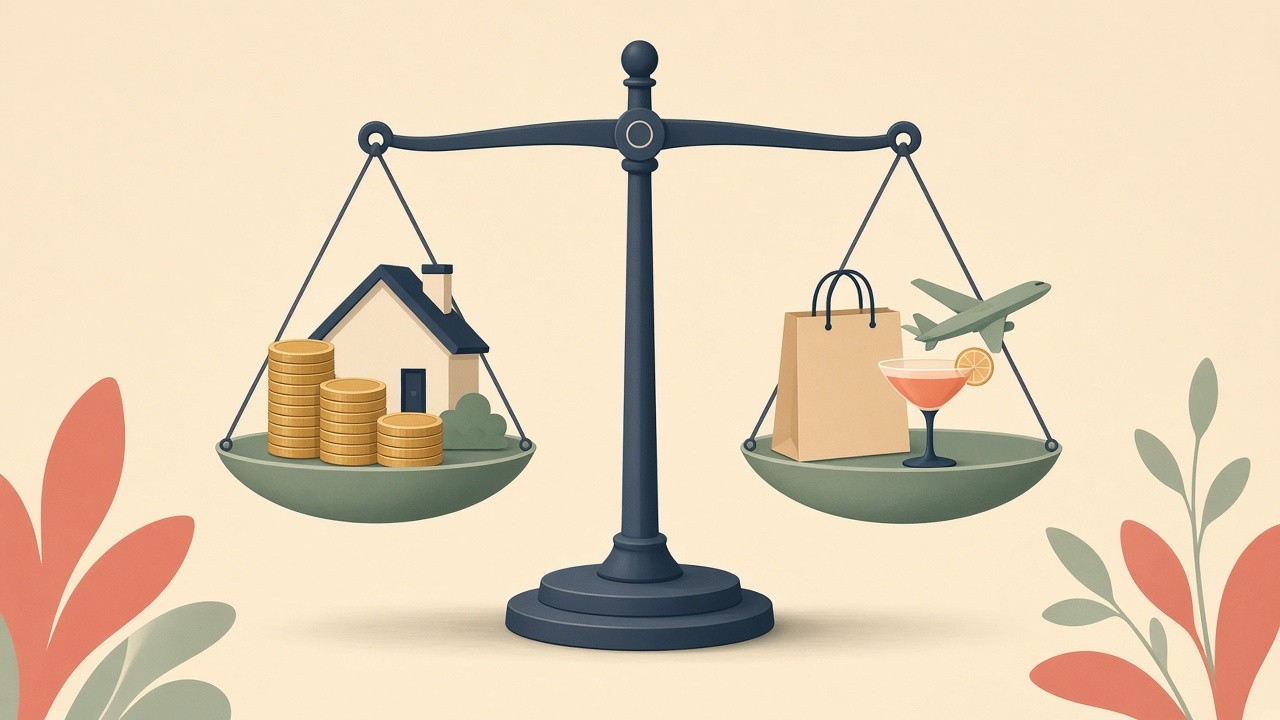
The same feeds that sell luxury also sell restraint. CNBC reported that “loud budgeting,” popularized by comedian Lukas Battle, is a reaction to quiet luxury: saying openly that you do not want to spend. A Credit Karma study found 20% of Gen Z and millennials planned a “no-buy year” in 2024 and 56% a “low-buy year.”
Bank of America reports 72% of Gen Z took steps to improve their finances in the past year, and 64% cut expenses. Meanwhile, The Guardian traces the “soft life” to burnout and broken promises about hard work. In that framing it means rest and boundaries, not champagne. Burnout is real: NBC found one third of Gen Z women feel anxious about the future “almost all of the time.”
The Bottom Line
When it comes to Gen Z women and money, the data does not show that most chase a fast life. It shows young women who value money about as much as young men do, invest earlier than older women and want a financially responsible partner more than a rich one. Social media tempts them to overspend, and many admit it. But the larger transformation is toward security, not spectacle.
FAQ
Do most Gen Z women want to be rich?
It depends on the survey. Pew found 58% of U.S. teens, girls and boys alike, say having a lot of money is very important. Among adults 18 to 29, 35% say a lot of money is very important for a fulfilling life.
Are Gen Z women investing more than older women?
Yes. Fidelity’s 2024 study found 77% of Gen Z women own stock market investments, and 38% invest outside retirement accounts, compared with 28% of women overall.
Do Gen Z women expect partners to earn a lot?
Financial responsibility matters more. Bank of America found 81% of Gen Z women value it in a partner, while 61% cite earning potential.
What is loud budgeting?
It is a social media trend where people say openly that they are choosing not to spend in order to hit savings goals. CNBC traces it to comedian Lukas Battle.
Sources
- Pew Research Center: Teens’ future plans and goals (March 2025)
- Pew Research Center: What do Americans think makes a fulfilling life? (September 2023)
- NBC News: Poll: Gen Z’s gender divide reaches beyond politics (September 2025)
- Deloitte: 2026 Gen Z and Millennial Survey press release
- Deloitte: 2026 Gen Z and Millennial Survey full report (PDF)
- Federal Reserve: Economic Well-Being of U.S. Households in 2025 (May 2026)
- LendingTree: More than half of Gen Zers and millennials have a side hustle (February 2024)
- Redfin: More Gen Zers are buying homes (January 2026)
- Fidelity: 2024 Women & Investing Study (October 2024)
- Bank of America: 2025 Better Money Habits report (PDF)
- Bank of America: 72% of young adults take action on financial health (July 2025)
- Intuit Credit Karma / The Harris Poll: Social media aesthetics drive young Americans to spend (December 2024)
- Intuit Credit Karma: Gen Z and millennials adopt no-buy trend (March 2024)
- CNBC: How a TikTok comedian’s call for loud budgeting can help your wallet (January 2024)
- BBC: TikTok 2023, are gender-based trends reinforcing stereotypes?
- The Guardian: The soft life, why millennials are quitting the rat race (April 2024)