

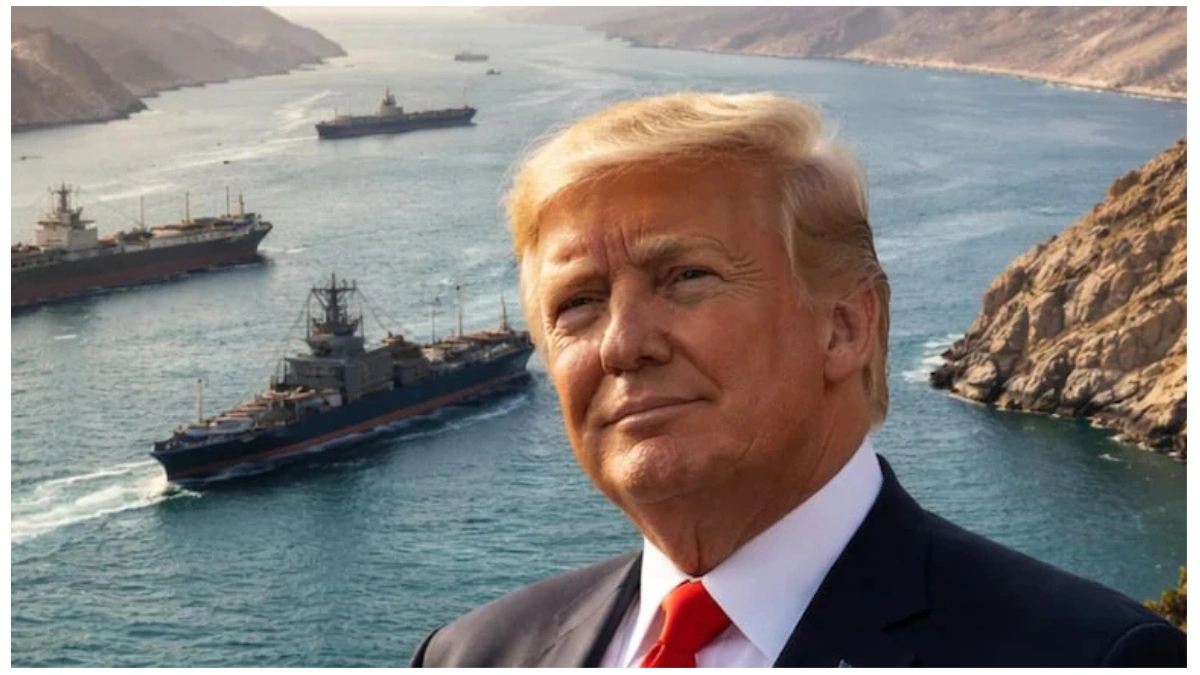
Rising tensions between Iran and the United States have taken a serious economic turn, with reports suggesting that a US-imposed blockade at the Strait of Hormuz could cost Iran up to $435 million (around ₹4,081 crore) per day. The estimate, highlighted in a report by The Wall Street Journal, underscores the potential scale of economic disruption caused by the ongoing standoff.
The blockade, reportedly initiated under former US President Donald Trump, aims to restrict Iran’s access to key maritime routes, particularly affecting its oil exports—the backbone of its economy. If fully enforced, the move could significantly disrupt the flow of crude oil, petrochemicals, fertilisers, and even essential goods, potentially triggering inflationary pressures both within Iran and globally.
Economic Impact and Key Estimates
According to analysts, Iran’s daily losses could include approximately $276 million in lost exports, primarily from crude oil and petrochemical shipments. These estimates are based on Iran exporting around 1.5 million barrels of oil per day at a wartime price of roughly $87 per barrel.
Much of Iran’s oil exports traditionally pass through Kharg Island, located within the Persian Gulf. With the blockade targeting this critical route, the country’s ability to maintain its export volumes could be severely restricted.
However, experts caution that the actual financial damage will depend on several variables. These include how effectively the US enforces the blockade and whether Iran can reroute shipments through alternative routes such as the Jask terminal, which lies outside the Hormuz chokepoint.
Buffer from Floating Oil Supplies
In the short term, Iran may be able to cushion the impact using its existing oil reserves already at sea. Reports indicate that as of late March, Iran had approximately 154 million barrels of oil stored in tankers outside the Gulf region. This floating inventory could temporarily offset export disruptions, buying Tehran some time to adjust its strategy.
Strategic Objective of the Blockade
The primary goal of the blockade is to choke Iran’s revenue stream from energy exports. Analysts suggest that the move could achieve effects similar to a direct military operation targeting Iran’s oil infrastructure—but without deploying ground forces.
By restricting oil shipments, Washington aims to apply maximum economic pressure on Tehran, forcing it to reconsider its strategic and nuclear policies. Some experts also believe that the blockade could indirectly pressure China, a major importer of Iranian oil. A significant portion of China’s crude and liquefied natural gas imports passes through the Strait of Hormuz, making it vulnerable to disruptions.
Challenges in Enforcement
Despite its strategic intent, enforcing the blockade presents major logistical and operational challenges. The US currently maintains a naval presence in the Middle East, but reports indicate that none of its warships are stationed directly داخل the Persian Gulf, where most of Iran’s coastline lies.
The Strait of Hormuz itself is one of the busiest shipping lanes in the world, handling nearly 20% of global oil trade during peacetime. Monitoring and controlling such a high volume of maritime traffic would require substantial naval resources and coordination.
Experts like Sidharth Kaushal from the Royal United Services Institute have pointed out that the success of the blockade will largely depend on its early implementation phase. The ability of US forces to intercept vessels and deter others from attempting to bypass restrictions will be crucial.
However, given the scale of global shipping through the region, many analysts believe that completely sealing off Iran’s exports may prove difficult.
Broader Implications
The blockade’s impact extends beyond Iran’s economy. Any disruption in oil supply from the region could influence global energy markets, potentially leading to higher fuel prices worldwide. This, in turn, could affect economies already grappling with inflation and supply chain challenges.
While the estimated $435 million daily loss highlights the severity of the situation for Iran, the actual outcome will depend on how effectively the blockade is enforced and how quickly Iran adapts. As tensions continue to rise, the Strait of Hormuz remains a critical flashpoint with far-reaching economic and geopolitical consequences.
[…] Eight in 10 voters said the country needs substantial change or “complete and total upheaval.” For background on the Iran conflict, see our report on the U.S. Hormuz blockade and Iran’s oil exports. […]